

Views: 48 Author: Site Editor Publish Time: 2026-02-14 Origin: Site
Behind every finished curtain, shower curtain, tablecloth, or sofa cover lies a structured manufacturing process. From initial sampling to full-scale production, each step determines product performance, consistency, and long-term reliability.
Understanding this process helps buyers evaluate not only the product itself, but also the manufacturing partner behind it.
The process begins with clear requirements. Buyers typically define dimensions, fabric type, functional needs, target markets, and compliance standards.
At this stage, factors such as washability, waterproof performance, durability, and usage scenarios are translated into technical specifications that guide material selection and construction methods.
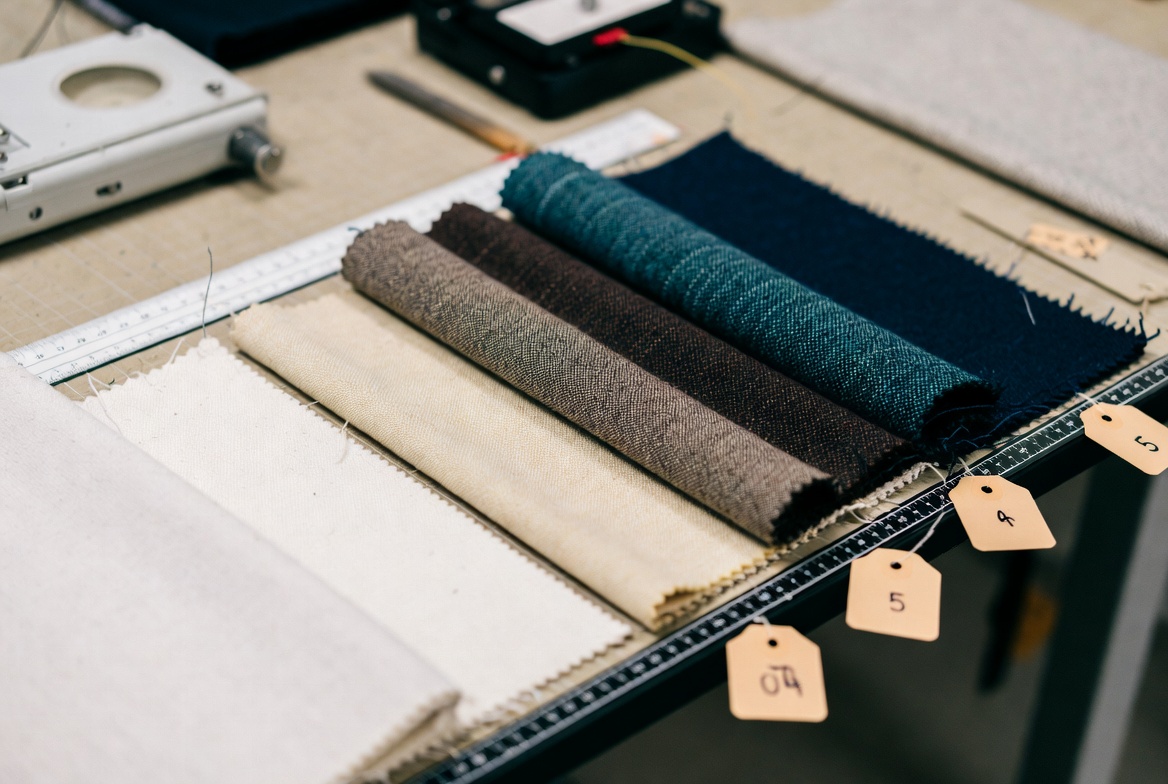
Once requirements are set, suitable fabrics are selected and tested. This may include woven fabrics, coated textiles, or layered constructions depending on product use.
Fabric testing focuses on shrinkage, color fastness, weight consistency, and functional performance. Early testing reduces risks and ensures materials can meet both performance and regulatory expectations.
Sampling is where concepts become physical products. Patterns are developed, cutting methods are tested, and stitching techniques are adjusted.
For functional home textiles such as shower curtains or sofa covers, samples also verify waterproof layers, fit accuracy, and edge finishing. This stage often involves multiple revisions to reach the desired balance between appearance and performance.
Before mass production begins, approved samples are locked as reference standards. Production specifications, measurement tolerances, and packaging details are finalized.
This step ensures that every unit produced later will match the confirmed sample in structure, function, and quality.
During mass production, consistency becomes the top priority. Fabric cutting, sewing, coating, and finishing follow standardized workflows.
Process control checks are conducted throughout production to monitor measurements, stitching quality, and material usage. This helps prevent deviations and supports stable output at scale.
Finished products undergo final inspections before packaging. Inspections may include visual checks, measurement verification, and functional testing based on product type.
Proper packaging protects products during transportation and ensures they arrive ready for market presentation.
From sampling to mass production, home textile manufacturing is a system built on preparation, testing, and consistency. Each step contributes to product reliability and buyer confidence.
At Uvan Homefashion, this structured approach guides our production of curtains, shower curtains, tablecloths, sofa covers, and fabric bags. By focusing on controlled sampling, stable materials, and consistent manufacturing processes, we support partners seeking dependable home textile solutions for long-term cooperation.


