

As global home consumption continues to shift from purely functional needs to a combination of emotional value and aesthetic experience, color selection has become a critical factor influencing purchasing decisions in the home textile industry.
The color trends for 2025 clearly reflect a move toward nature, warmth, emotional comfort, and sustainability. The following five color directions are expected to play a decisive role in home textile product development, merchandising, and visual presentation throughout the year.
1. Warm Earthy Neutrals: A Return to Comfort and Stability
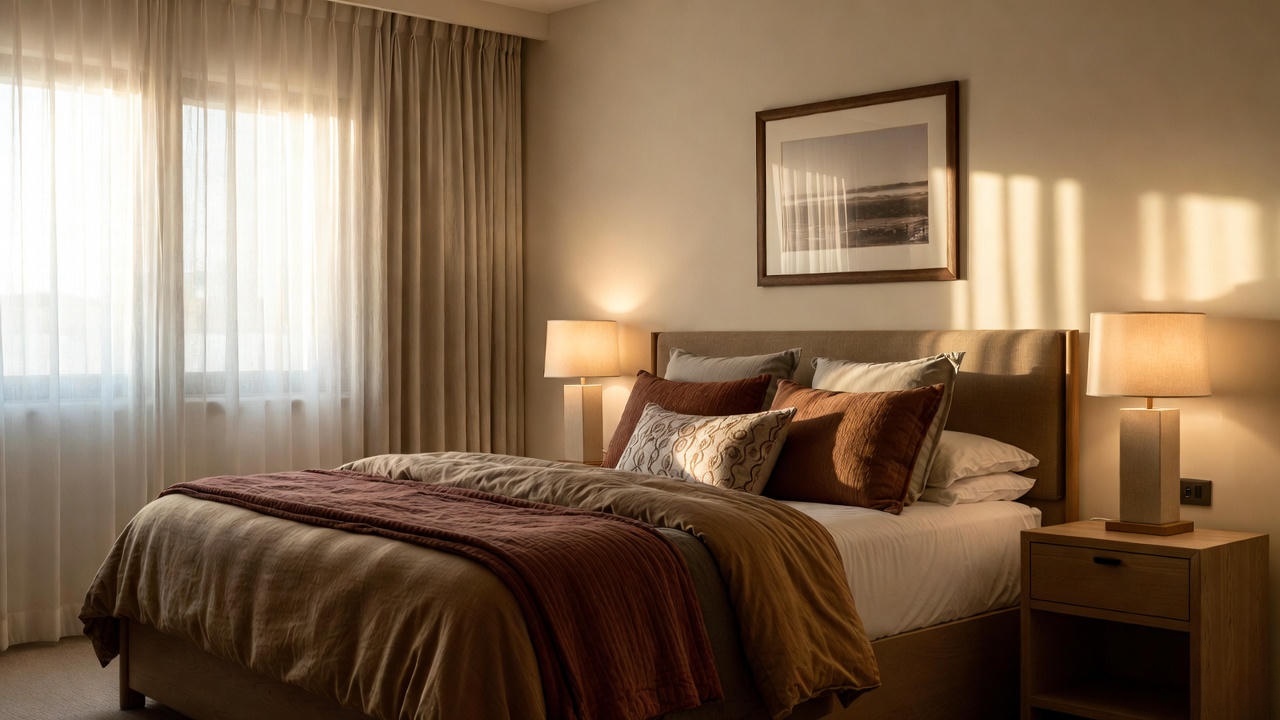
Keywords: Warmth, inclusiveness, long-term appeal
In 2025, earthy tones evolve beyond traditional beige and taupe, moving toward richer and more substantial hues. Warm browns, coffee tones, caramel, and terracotta are becoming core foundation colors in home textiles.
This trend reflects consumers’ growing desire for security, comfort, and long-lasting value. Compared to highly saturated or high-contrast colors, earthy neutrals are easier to accept and better suited for core SKUs and long-term collections.
Best suited for:
Bedding sets (duvet covers, sheets, pillowcases)
Throws and blankets
Hotel-style and minimalist collections
Styling tip:
Use earthy tones as the main color and pair them with off-white, warm gray, or muted greens to add depth while maintaining visual balance.
2. Nature-Inspired Greens: A Visual Expression of Sustainability
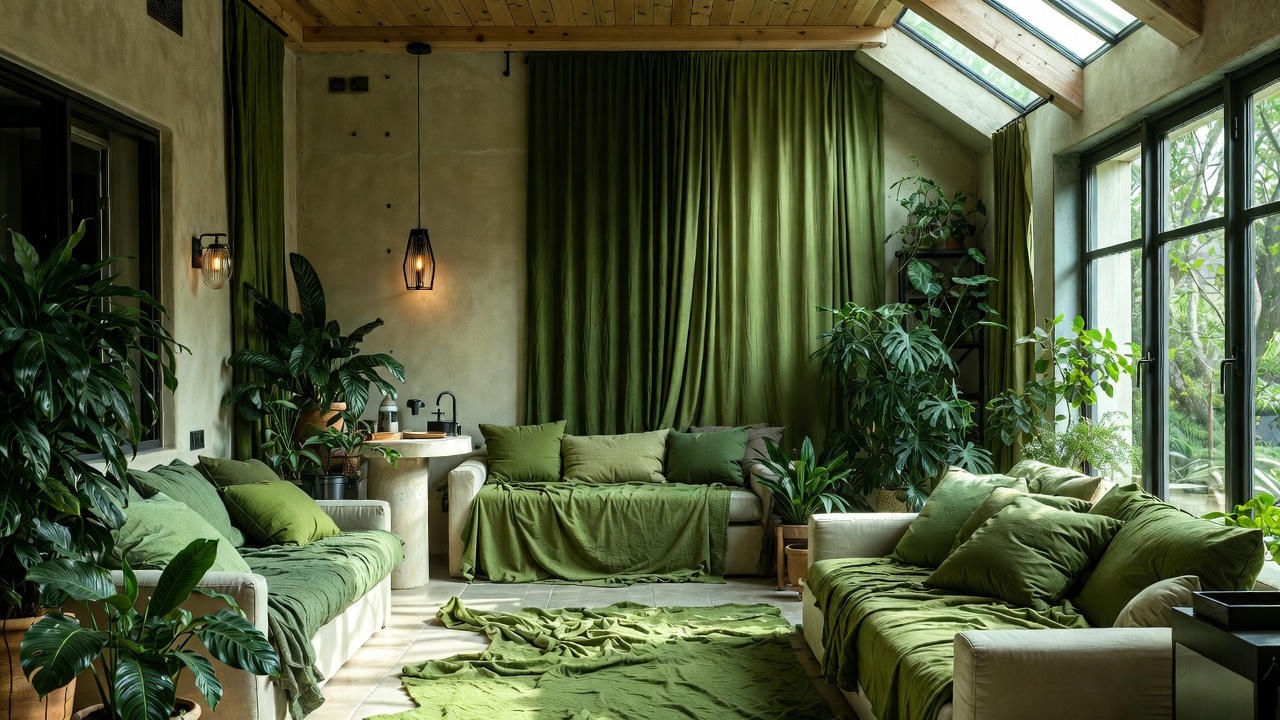
Keywords: Natural, organic, eco-conscious
Green remains a key color in 2025, but the focus shifts away from bright, decorative greens toward more organic and subdued tones such as moss green, olive green, and sage.
These shades are closely associated with sustainability, wellness, and eco-friendly lifestyles, making them particularly appealing to mid-to-high-end consumers in European and North American markets.
Best suited for:
Curtains and table linens
Shower curtains and bathroom textiles
Natural, farmhouse, and eco-themed collections
Styling tip:
Pair green tones with warm neutrals such as beige, wood tones, or soft browns. Avoid combining them with strong cool contrasts to preserve a natural aesthetic.
3. Deep and Soothing Blues: Where Function Meets Emotional Calm
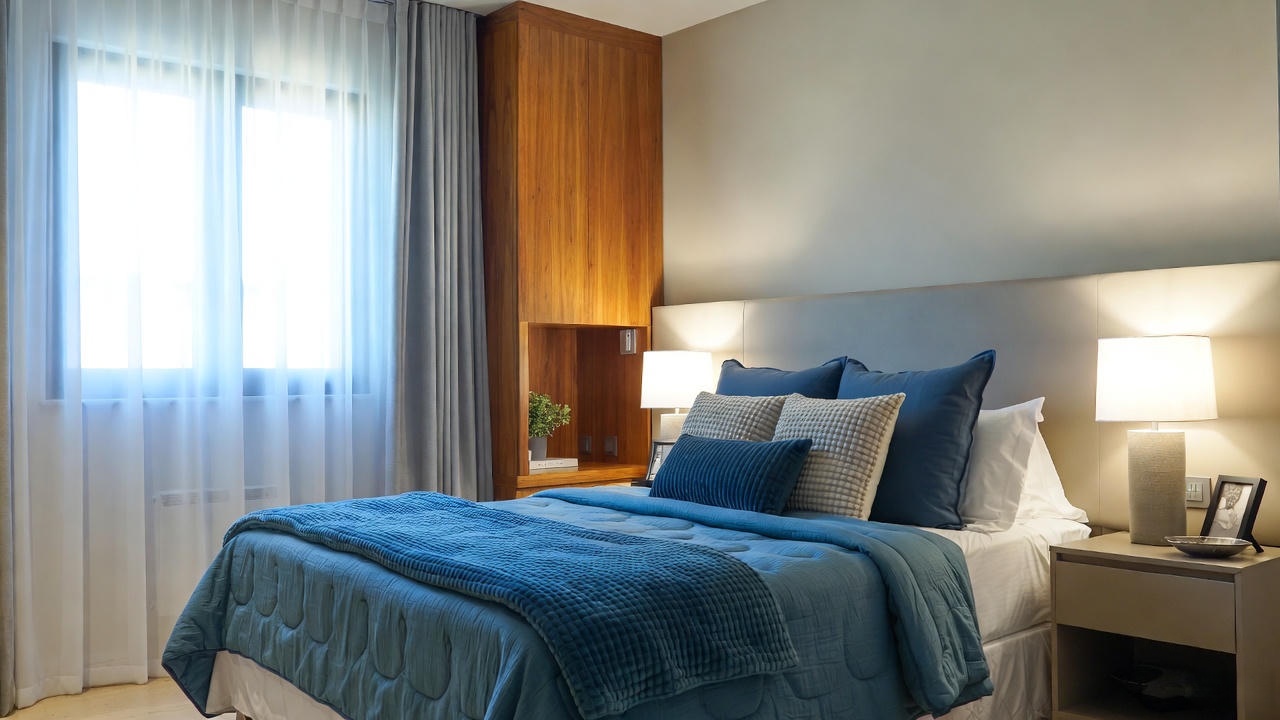
Keywords: Calmness, order, relaxation
Blue has always been a functional and emotionally stabilizing color in home textiles, particularly for bedrooms and bathrooms. In 2025, the emphasis is on deeper, softer blues such as deep ocean blue, dusty blue, indigo, and weathered denim.
These tones promote relaxation and a sense of order, making them ideal for creating tranquil living spaces.
Best suited for:
Bedroom bedding
Shower curtains and bath textiles
Modern minimalist and hotel-inspired lines
Styling tip:
Combine deep blues with off-white, light gray, or warm wood tones. Avoid pairing them extensively with cool whites to prevent a cold visual effect.
4. Clay Reds and Red-Brown Tones: Emotional Accents and Visual Focus
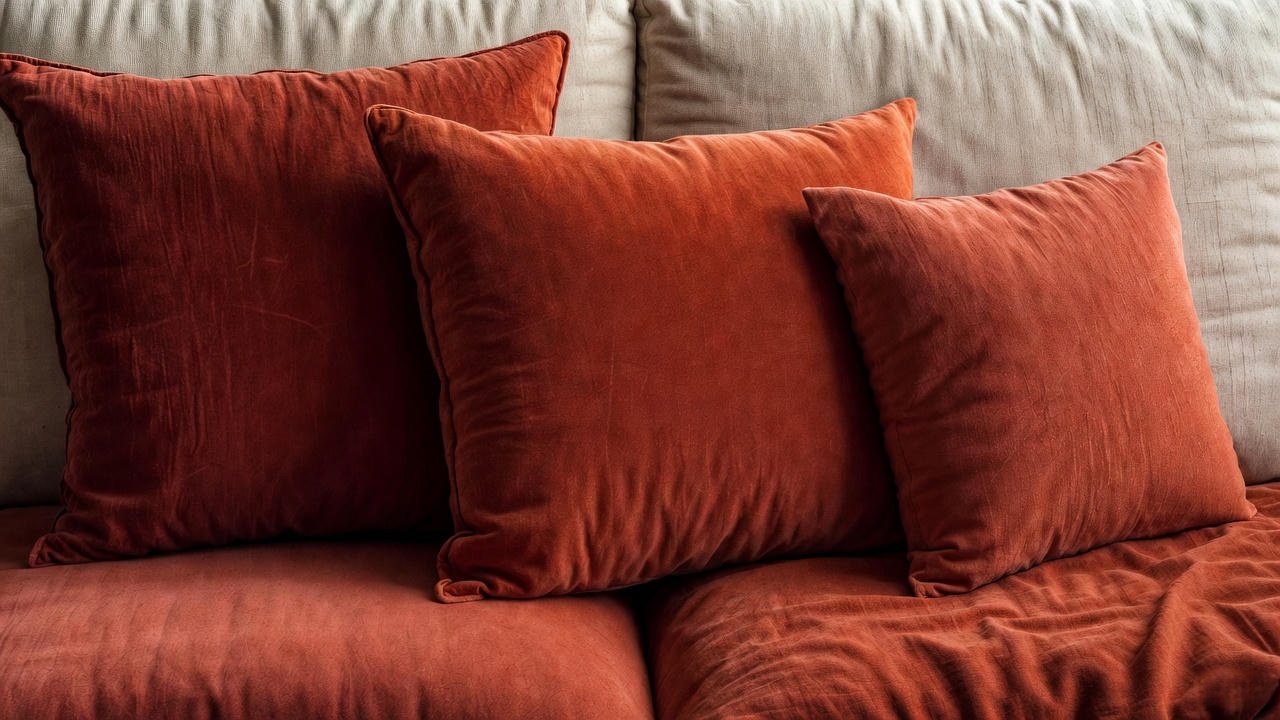
Keywords: Warmth, emotional impact, visual identity
Closely related to earthy tones, clay reds, brick reds, and deep red-brown hues bring stronger emotional expression. In 2025, these colors are primarily used as accent or highlight colors rather than main tones.
They significantly enhance visual recognition and merchandising appeal, especially in decorative home textile products.
Best suited for:
Cushions and accent pillows
Color-blocked or printed fabrics
Seasonal or design-driven collections
Styling tip:
Use these colors in limited areas and pair them with earthy neutrals, beige, or deep blue to avoid visual overload.
5. Soft Neutrals and Muted Blush Tones: The Foundation of Bestsellers
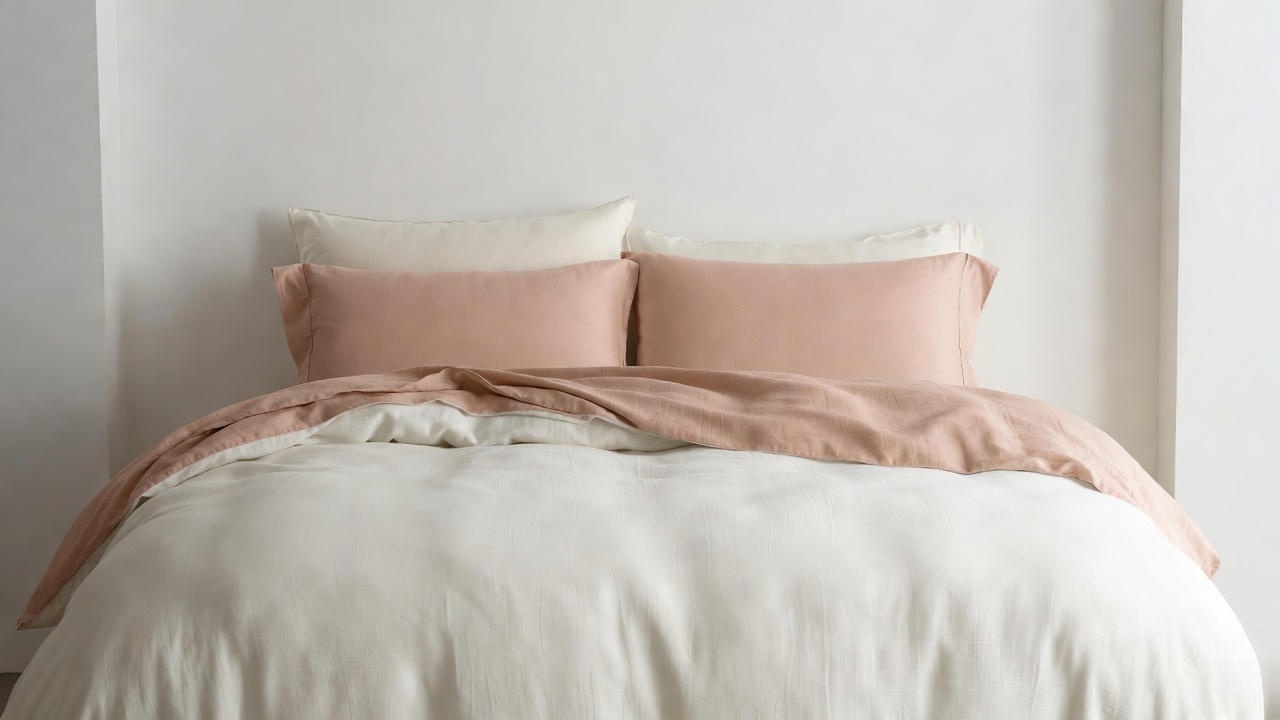
Keywords: Versatile, approachable, cross-style compatibility
Despite evolving trends, soft neutrals remain the backbone of the home textile market. In 2025, these colors lean warmer and softer, including cream, warm beige, light camel, and very subtle blush tones.
These shades work across virtually all product categories and are essential for building high-volume, cross-platform bestsellers.
Best suited for:
Core bedding items
Liner products (such as shower curtain liners)
B2B, hospitality, and project-based orders
Styling tip:
Use soft neutrals as primary colors and combine them freely with trend colors to create cohesive and low-risk product lines.
Conclusion: Color Trends Reflect Shifting Consumer Psychology
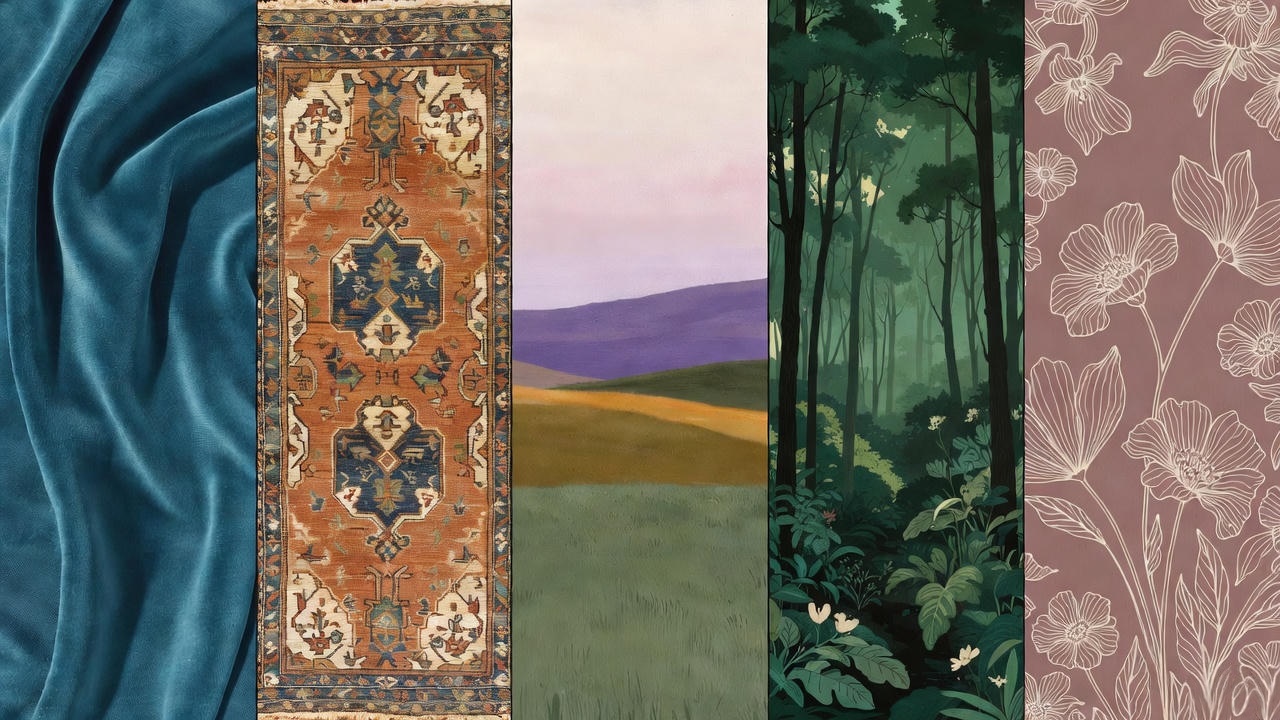
The essence of 2025 home textile color trends is not novelty, but a stronger focus on emotional comfort, long-term usability, and lifestyle relevance. For brands and sellers, strategically applying these colors can enhance product design credibility while strengthening visual storytelling across e-commerce listings, content marketing, and assortment planning.
In practice, it is recommended to structure color usage into three tiers:
Core Colors (volume drivers) + Secondary Colors (differentiation) + Accent Colors (design highlights).
This approach helps balance commercial stability with visual innovation, ultimately improving overall product competitiveness.


